How Tolerance Stacks Affect Multi-Part Assemblies
Introduction: The Challenge of Tolerance Stacks in Multi-Part Assemblies
In multi-part assemblies, small dimensional variations in individual components accumulate throughout the build process. This phenomenon, known as tolerance stacking, can cause subtle but critical shifts in position, unexpected interference, or loose fits that may compromise assembly performance. Early identification of these issues is best achieved during rapid prototyping, where engineers can test real parts before committing to mass production. Precision CNC machining and access to a capable CNC machining service both play essential roles in delivering consistent results, enabling teams to evaluate the real-world effects of tolerance chains before scaling up.
Prototyping: Early Detection of Fit and Alignment Issues
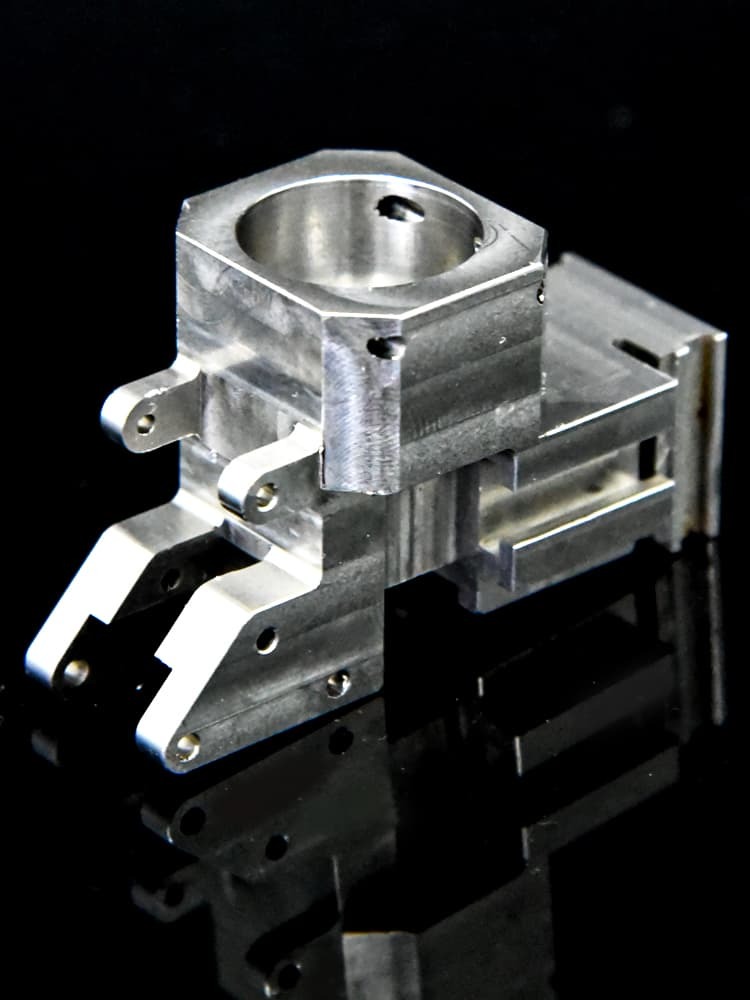
Machining aluminum parts for prototype assemblies often reveals challenges that are difficult to predict in CAD. Slight inaccuracies in hole locations, surface flatness, or reference features can result in misaligned assemblies or difficult insertions. Testing an aluminum prototype allows engineers to quickly discover and correct issues such as offset mounting holes or partial engagement in snap-fit joints. When working with custom metal parts, it’s important to consider how material properties, residual stress, and machining methods may all influence the outcome of tight tolerance regions and overall assembly stability.
Simulating Stacking Effects with Multiple Prototypes
Building several CNC prototypes of the same assembly provides valuable insight into how tolerance stacks behave across multiple iterations. With high consistency from aluminum CNC machining, engineers can compare assemblies to observe if dimensional shifts are systematic or random. These comparisons highlight how small deviations grow as components are stacked, and whether the chosen assembly method and tolerance allocations are robust enough for reliable production. Custom CNC machining supports these evaluations by recreating manufacturing conditions as closely as possible to those found in full-scale runs.
Leveraging 5-Axis Machining and Robust Datum Strategies
Advanced 5-axis CNC machining makes it possible to create multiple key datum features in a single setup, reducing errors caused by repositioning or fixturing. During rapid prototyping, this approach closely simulates the precision of production tooling, providing a realistic assessment of how tolerance chains will perform in actual builds. By emphasizing precision CNC machining, teams establish a strong geometric foundation for assemblies, making it easier to maintain alignment and control stacking effects throughout the process.
Validating Critical Fit Zones and Tight Tolerances
Areas of tight tolerance—such as locating holes, guide channels, and press-fit features—are especially sensitive to accumulated variation. Interactive testing during the CNC machining service phase ensures these regions perform as intended, even when small deviations from each part are added together. It is equally important to verify how different custom metal parts respond in these zones, as material and surface treatment can affect both the initial fit and long-term wear resistance of the assembly.
Conclusion: Building Reliable Assemblies Through Informed Tolerance Management
Reliable multi-part assemblies result from a careful balance of tolerance chain design, process capability, and material selection. By integrating rapid prototyping, aluminum CNC machining, and precision validation throughout the product lifecycle, engineering teams can detect, analyze, and solve stacking problems before they impact production. From prototype manufacturing to final assembly, understanding and managing tolerance stacks is key to consistent quality and long-term performance.
READ MORE: